There’s a specific kind of disappointment that comes with cutting into a watermelon you were really looking forward to — pale flesh, dry texture, barely any sweetness. You picked it yourself. You were excited. And now it’s sitting there looking like it never stood a chance.
That’s a frustration our team at is very familiar with (both personally and professionally!). The good news? Getting a great watermelon — and keeping it that way — comes down to a handful of easy habits. And we’re here to spill the tea so you can enjoy the rest of watermelon season!
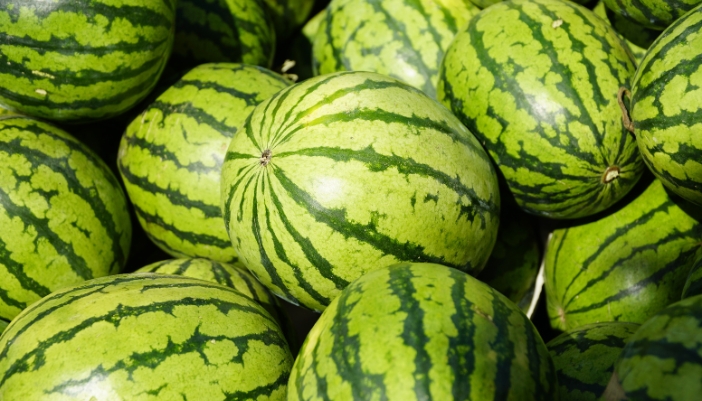
What to Look for Before It Leaves the Store
Most people grab a watermelon by color or size and consider it done. But there are four cues that actually tell you what’s going on inside the melon before you commit.
- The field spot: Look for a creamy yellow or orange patch on the underside — that’s where the melon rested on the ground as it ripened. A white or light green spot usually means it was picked too early.
- Weight relative to size: A ripe watermelon is dense with water. Pick up two that look similar in size and go with the heavier one — it’s one of the most reliable indicators of high water content.
- Skin texture: Run your hand over the rind. A dull, matte finish typically means ripeness. A shiny surface often indicates the melon wasn’t fully mature when it was harvested.
- The thump: This one works when you know what you’re listening for. A deep, hollow sound — not a sharp, high-pitched knock — is what you want. Think more drum, less door.
The Mistakes Most People Make at the Store
Even experienced shoppers fall into a few predictable traps. Knowing them ahead of time saves you from bringing home the wrong melon two weeks in a row.
- Going for the biggest one: Size doesn’t equal sweetness. Oversized melons can actually be overgrown — and the flavor tends to be diluted rather than more intense.
- Trusting color alone: A deep green exterior or bold stripe pattern doesn’t tell you much about what’s inside. The field spot and the weight are far more reliable.
- Thumping without a reference point: If you’ve never heard what a ripe melon actually sounds like, thumping is mostly a guess. A ripe melon gives a resonant, hollow response — dull and deep, not sharp and dense.

Storing a Whole Watermelon at Home
Once you’ve picked a good one, keeping it in top shape until you’re ready to cut it doesn’t take much effort. Whole melons are surprisingly forgiving, and you’ve got a couple of solid ways to store one until you’re ready!
- Counter storage: A cool, dry spot away from direct sunlight (think pantry shelf or shaded counter) keeps a whole melon in good shape for up to a week. Keep it away from bananas, apples, and other ethylene-producing fruits, which speed up ripening.
- Fridge storage: Once you’re within a few days of cutting it, or it’s hit peak ripeness, move it to the fridge. The cooler air slows ripening without touching the flavor.
Pro Tip:
Whichever spot you choose, give the melon some breathing room. Wedging it tightly against other produce can trap moisture and lead to soft spots on the rind.
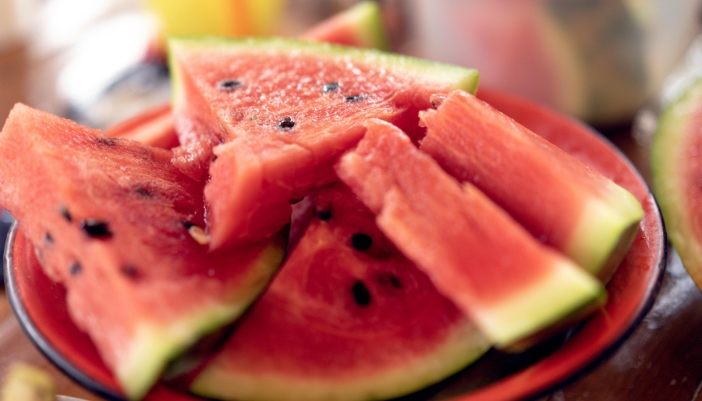
Once It’s Cut — Refrigeration Done Right
This is where most of the real storage work happens. A cut watermelon is fully exposed, and without the right approach, it dries out quickly and starts absorbing everything else in the fridge.
Your refrigerator’s main job here is controlling two things: temperature and moisture. Most refrigerators maintain the main compartment between 35–38°F, which is ideal for cut fruit — cold enough to slow spoilage, not so cold it changes the texture.
- Wrap tightly: Press plastic wrap directly against the exposed flesh (not just over the container opening) to minimize air contact. The less air that reaches the surface, the longer it stays fresh.
- Slices vs. cubes: Cubed watermelon stored in a sealed container keeps well for three to five days. Slices with the rind still on tend to last a little longer — up to five days — since the rind acts as a natural barrier.
- Watch your neighbors: Watermelon absorbs odors more readily than most fruit once it’s cut. Store it away from strong-smelling foods like onions, raw fish, or aged cheeses to avoid any flavor crossover.
- Pooling liquid is normal: Some liquid gathering at the bottom of the container is just the melon releasing its own juice. When it turns cloudy or the texture starts to feel mushy, that’s when it’s past its prime.
Your Fridge Does More Heavy Lifting Than You’d Think
Keeping summer produce at its best — watermelon included — comes down to understanding how your refrigerator manages temperature, airflow, and moisture. If you’ve been wondering whether your setup is working as hard as it could, stop in and ask our team at . We’re happy to walk you through what’s available and help you find the right fit for your kitchen.